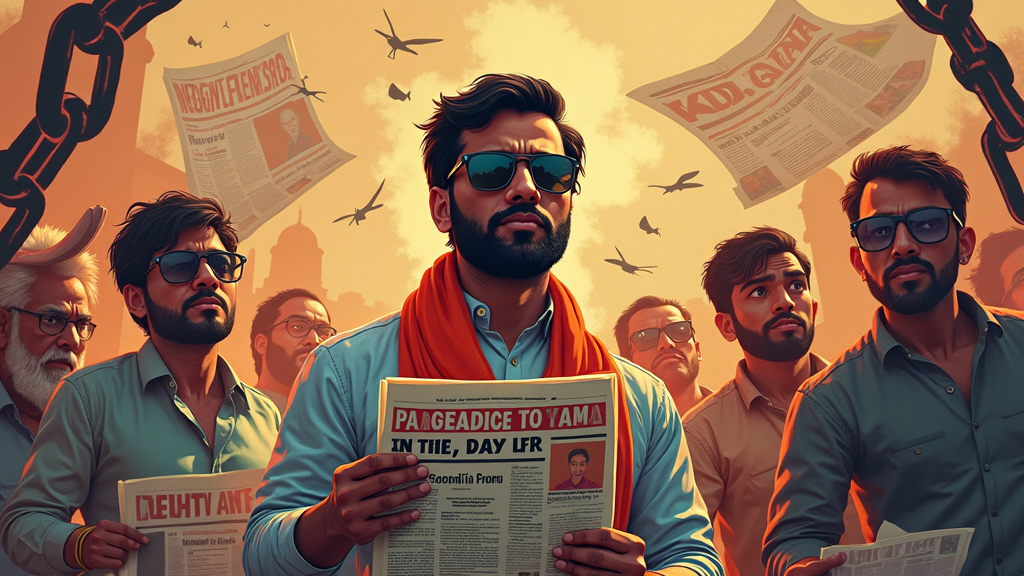
The Chirag Paswan LJP leadership crisis has sent shockwaves through Bihar politics, marking a significant turning point for the Lok Janshakti Party (LJP). In a surprising coup, five of the six LJP members of Parliament voted to replace Chirag Paswan with his uncle, Pashupati Kumar Paras, as the new party leader in the Lok Sabha. This unexpected upheaval underscores the mounting dissatisfaction within the ranks of the LJP, as even Chirag’s cousin and other key members joined the revolt. The fallout from this power struggle not only affects the party’s internal dynamics but also raises questions about the future of the LJP in the increasingly competitive political landscape of Bihar. As the situation unfolds, the implications for Chirag Paswan, including possible JD(U) reactions to LJP developments, will be keenly observed in the media and among political analysts.
The recent turmoil within the Lok Janshakti Party has highlighted a critical leadership issue following Chirag Paswan’s unceremonious removal from his position. The sudden shift, initiated by a faction led by Pashupati Kumar Paras, has sparked a broader discussion on the stability and direction of the party amidst ongoing tensions in Bihar’s political arena. With growing concerns about Chirag’s handling of party affairs, this leadership change reveals underlying fractures within the LJP that could affect its future prospects. Amidst the backdrop of Bihar politics, where loyalty and strategy often dictate success, the shift in power dynamics brings to light the varying influences at play, particularly with regard to the JD(U) and its stance on the LJP’s internal conflicts.
Chirag Paswan LJP Leadership Crisis: An Unexpected Coup
The recent leadership crisis within the Lok Janshakti Party (LJP) has sent shockwaves through Bihar politics, with Chirag Paswan unceremoniously ousted as the party’s leader in the Lok Sabha. This unexpected coup was executed by five of the six LJP MPs, culminating in the election of Pashupati Kumar Paras, Chirag’s own uncle, as the new leader. The fallout from this dramatic turn of events highlights a deep rift within the party that was previously perceived as solidly behind Chirag, especially after he took over leadership in 2020 following the death of his father, Ram Vilas Paswan.
As the situation unfolds, Chirag stands isolated from his party’s key decision-makers, revealing the fragility of his leadership. Observers of Bihar politics are keenly watching how this coup will affect the LJP’s future, especially with the escalating tensions between Chirag and his own party members. The rebellion not only signals a shift in party dynamics but also raises questions about the potential for future electoral performances of the LJP in the upcoming elections.
The leadership crisis in the LJP isn’t just a personal clash; it’s deeply rooted in the party’s strategic direction in the complex political landscape of Bihar. Chirag Paswan had previously approached the 2020 assembly elections with an aggressive campaign against the ruling JD(U), a move that has now seemingly backfired as his own allies turn against him. With Pashupati Kumar Paras declaring a new leadership order, the LJP may pivot in its messaging and alliances within the National Democratic Alliance (NDA), emphasizing its commitment to stability and unity just as Paras asserted that he aims to save the party rather than fracture it further.
The Fallout for Bihar Politics: Implications of the LJP Split
Bihar politics has always been a cauldron of shifting alliances and rivalries, and the split within the LJP adds a new layer of complexity to an already intricate landscape. The reactions from the Janata Dal (United) have been particularly vocal, with party leaders claiming that the outcomes from Chirag Paswan’s aggressive politics have finally come back to haunt him. JD(U) insiders cite Chirag’s earlier strategies as damaging, leading not only to his ousting but also resulting in significant seat losses for their party during the last state elections, thus impacting their position within the NDA coalition.
For the JD(U), these developments may offer a chance to fortify their standing in Bihar. As the party appears to thrive on the division within the LJP, they might leverage this split to attract disaffected LJP members and voters. Moreover, Nitish Kumar’s party could use this scenario to strengthen ties with the BJP by presenting a united front against a fractured LJP. This ongoing political saga raises critical questions about the stability of the NDA in Bihar and how these power struggles might influence future electoral strategies and alignments.
Chirag Paswan’s ousting not only raises questions about his own political future but also the foundational values of the LJP established by his father, Ram Vilas Paswan. While Pashupati Kumar Paras claims to represent a majority sentiment among the party ranks, the ideological shifts and changes in leadership may steer the LJP away from its original objectives. Thus, the long-term implications of this leadership takeover could ripple through Bihar politics, affecting voter perceptions and the reliability of the party as a key player in future elections.
JD(U) Reaction to the Leadership Shake-Up: What Lies Ahead? A significant aspect of the LJP’s crisis is how opposition parties, particularly JD(U), have strategically positioned themselves in light of these events. The JD(U)’s response to LJP’s internal strife has been decisive, emphasizing a narrative that seeks to expose the pitfalls of Chirag Paswan’s leadership choices. Statements made by RCP Singh suggest a broader interpretation of the LJP’s troubles as indicative of Chirag’s incapacity to engage effectively within Bihar’s volatile political environment.
Future developments are likely to see JD(U) capitalize on this instability by courting the now-disgruntled LJP members or even attempting to integrate them into their ranks. As BJP remains a silent observer, the dynamics between JD(U) and LJP could play a crucial role in not just local governance, but also national politics, particularly as the BJP weighs its options regarding potential collaboration with a reformed LJP led by Paras. The ongoing discourse surrounding the LJP’s direction and internal unity will certainly be pivotal as Bihar gears up for future contests, affecting both party loyalty and electoral outcomes.
Chirag’s Political Future: Navigating a Complex Landscape
As the dust settles after the coup, the focus now shifts to Chirag Paswan’s political future and his potential strategies moving forward. The fallout from the leadership crisis has left him at a crossroads, where he must rethink his approach to rally support both within his own party and among Bihar’s voters. Given the public nature of his ousting, Chirag might need to adopt a more conciliatory tone to mend relationships with disgruntled party members while simultaneously re-asserting his leadership credentials to retain influence in Bihar’s political landscape.
Moreover, moving forward, Chirag’s ability to craft strategic alliances could play a significant role in determining whether he can reclaim any semblance of authority within the LJP or Bihar politics as a whole. Focusing on grassroots engagement and maintaining a strong pro-BJP stance could be pivotal, especially as he aims to appeal to the party’s voter base that remains loyal to Ram Vilas Paswan’s legacy. As observed in the past, effective leadership will hinge on the ability to navigate these challenging dynamics while unearthing opportunities to reconnect with constituents.
Looking Ahead: The Political Landscape of Bihar Will Change Drastically The current shake-up within the LJP and its reverberating effects in Bihar politics could indeed lead to unprecedented changes in the regional political landscape. With the rebel faction under the leadership of Pashupati Kumar Paras actively positioning themselves to reclaim the party’s identity, we might witness a reconfiguration of alliances that could systematically reshape voter perceptions. The shifting loyalties and emergent narratives will likely become crucial to how electoral strategies are crafted leading up to the next elections.
Analysts predict that the division between LJP factions and the positioning of Chirag Paswan will simultaneously challenge the BJP, JD(U), and LJP over who can offer the best vision for Bihar’s future. As Kumar’s JD(U) seeks to navigate the complexities of balancing a shaky partnership with the BJP while courting newly disaffiliated LJP supporters, the coming months will likely be tumultuous, with major implications for the political climate in Bihar. The extent to which Chirag can influence this evolving landscape remains to be seen, but the resilience of Bihar’s political machinery is a testament to the unpredictable nature of alliances and rivalries.
Frequently Asked Questions
What led to the Chirag Paswan LJP leadership crisis and his ouster as party leader?
The Chirag Paswan LJP leadership crisis arose when five of the six Lok Janshakti Party MPs revolted against him, leading to the election of his uncle, Pashupati Kumar Paras, as the new leader in the Lok Sabha. This surprising coup marked a significant shift within the party founded by his late father, Ram Vilas Paswan.
How did Pashupati Kumar Paras respond to Chirag Paswan’s leadership allegations?
Pashupati Kumar Paras stated that the decision to elect him as the new leader wasn’t a betrayal but a necessary move to save the party, claiming that 99% of LJP workers were dissatisfied with Chirag Paswan’s leadership. He emphasized that he aims to uphold the vision of Ram Vilas Paswan while remaining part of the BJP-led NDA.
What are JD(U)’s reactions to the Chirag Paswan LJP leadership crisis?
The Janata Dal (United) reacted with a sense of vindication to the Chirag Paswan LJP leadership crisis. JD(U) leaders criticized Chirag for his negative political tactics during the last Bihar assembly elections, stating that his actions directly contributed to the splits within his party.
What implications does the LJP leadership crisis have for Bihar politics?
The Chirag Paswan LJP leadership crisis might shift the political landscape in Bihar, especially in the upcoming elections. The changes could affect the dynamics between the JD(U) and LJP, and may lead to a reassessment of alliances among political parties in the state.
Will Chirag Paswan continue to play a role in the LJP after this leadership crisis?
Chirag Paswan may still retain a role in the Lok Janshakti Party, as Pashupati Kumar Paras has suggested that Chirag can remain in the organization. However, the extent of his influence and role will likely diminish following this leadership crisis.
How are the BJP and other political entities reacting to the Chirag Paswan leadership crisis?
The BJP’s reaction to the Chirag Paswan leadership crisis remains to be seen, particularly as discussions around a Union Cabinet reshuffle are ongoing. It is speculated that the BJP might include Chirag Paswan in attempts to maintain his influence within the new party dynamics.
What was the impact of Chirag Paswan’s campaign against Nitish Kumar on the LJP?
Chirag Paswan’s aggressive campaign against Nitish Kumar during the 2020 Bihar assembly elections is viewed as a contributing factor to the leadership crisis. His decision to distance LJP from the NDA alliance and run against JD(U) candidates alienated many within the party, leading to widespread dissatisfaction.
How might the LJP leadership crisis affect future elections in Bihar?
The LJP leadership crisis could lead to a fragmented political landscape in Bihar, with the potential for new alliances or shifts in voter loyalty. As LJP navigates this internal conflict, its ability to present a united front will be crucial for securing votes in future elections.
Leave a Reply